Chapter 3
Allegories
Many people have a rich inner world. They need sensations to activate their imagination. There are two categories of such people: the guides, who, by their natural abilities, draw material from everywhere and every-thing and those who follow, who perceive the creatively processed impressions of the first group, and this provokes in them pleasant expe- riences. The second group is no less important in this process, for their emotional responses to a work are no less and sometimes even more psychological and intense than those of the guides. It is a tandem: one cannot exist without the other. Some create, others receive.
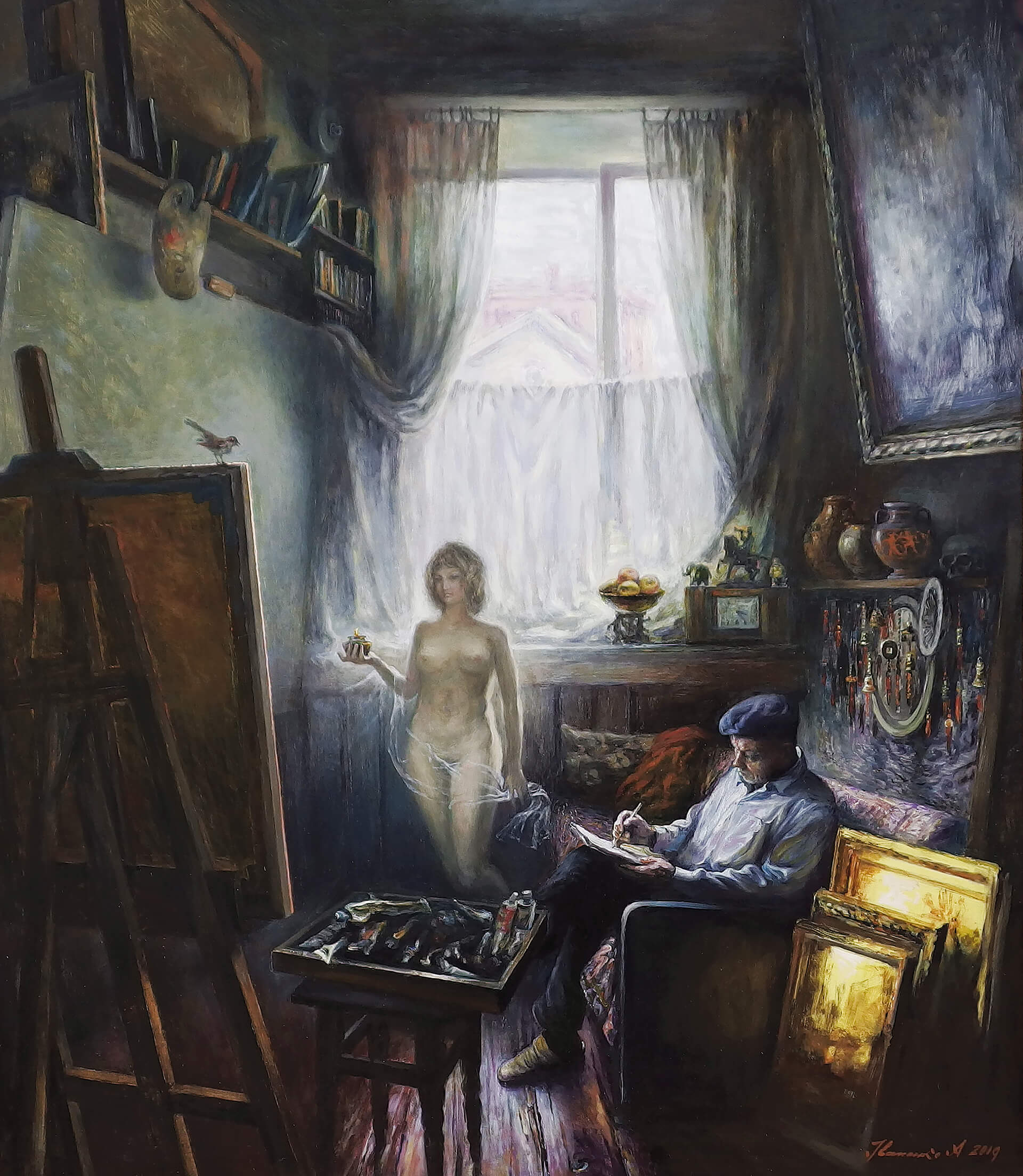
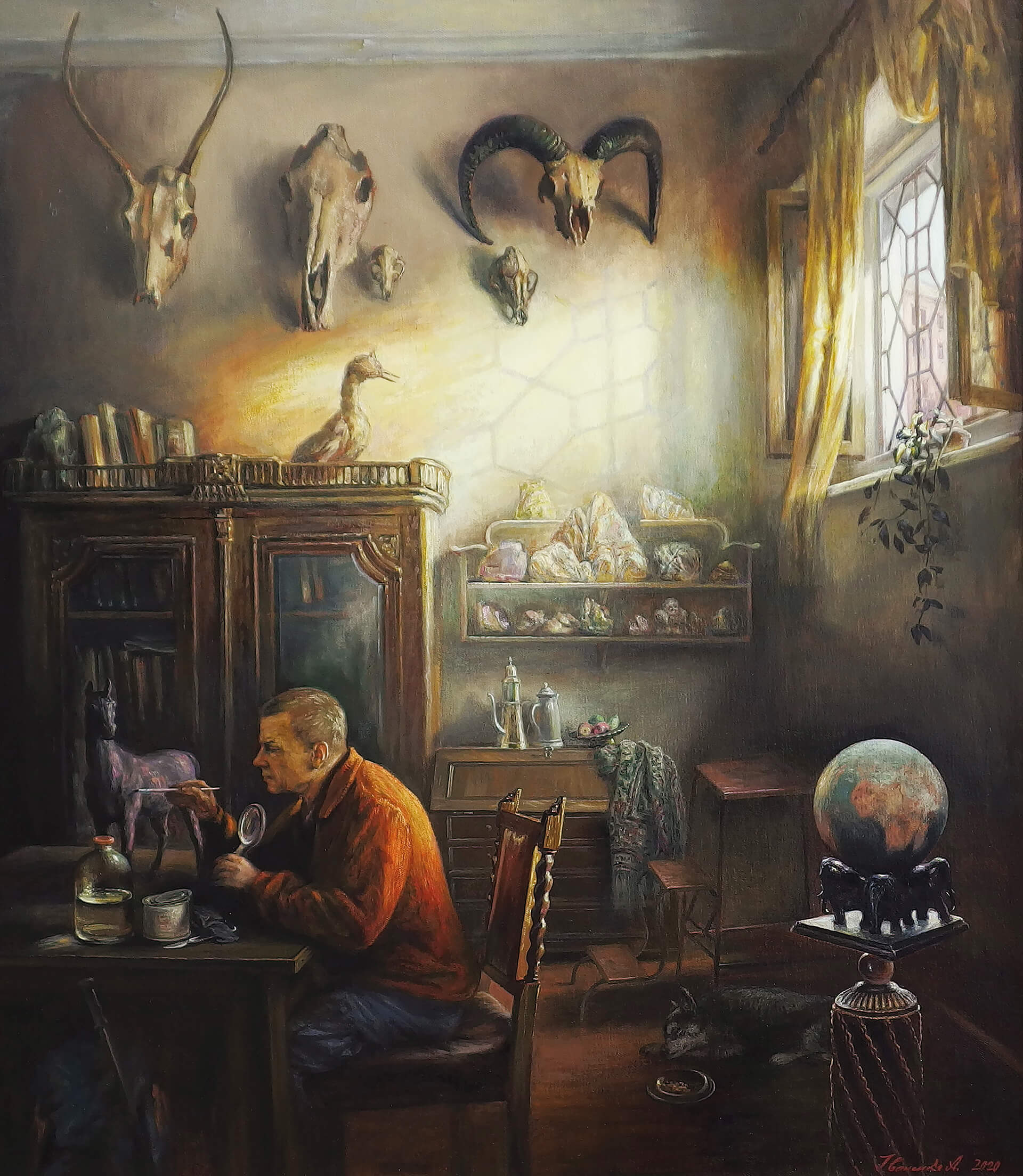
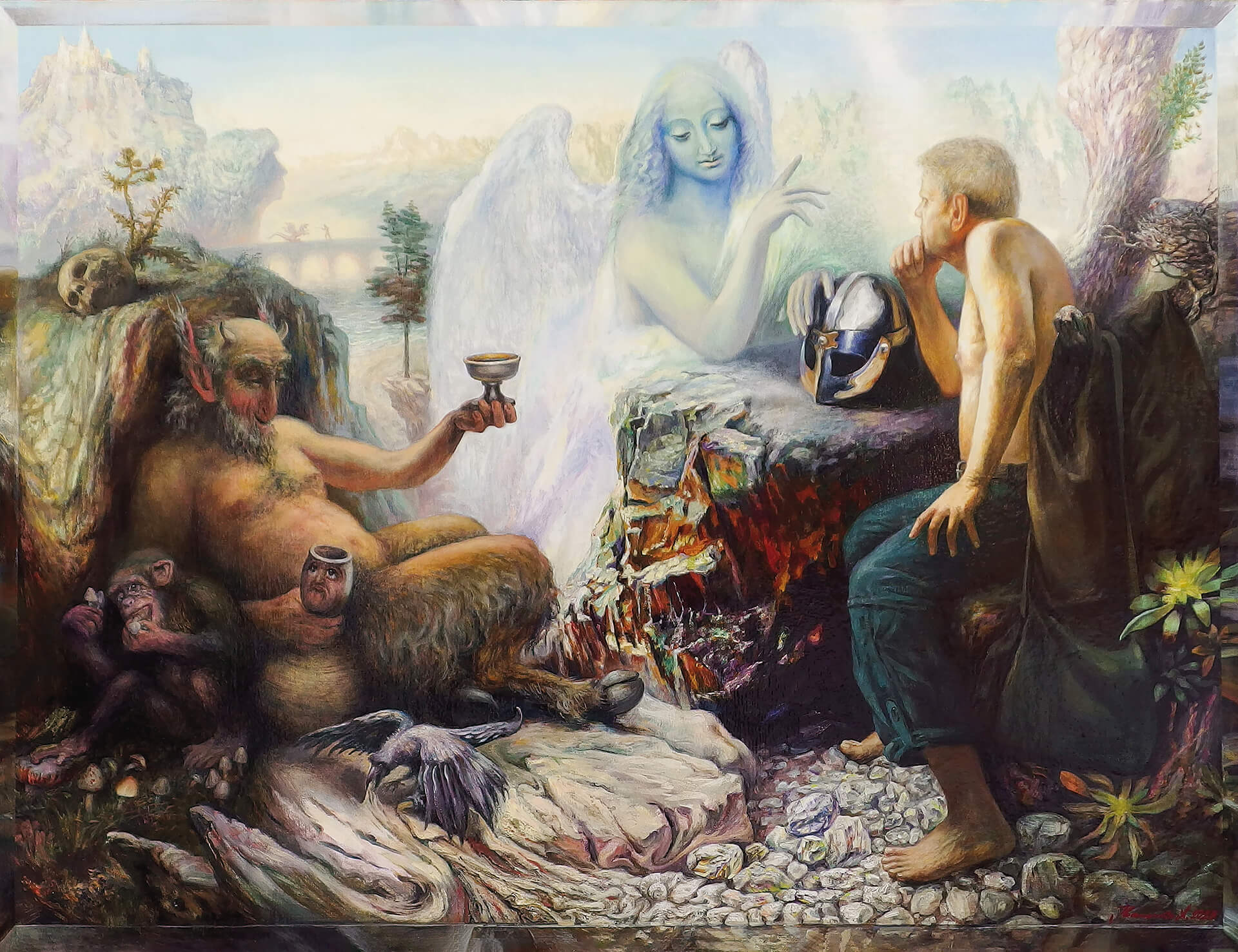
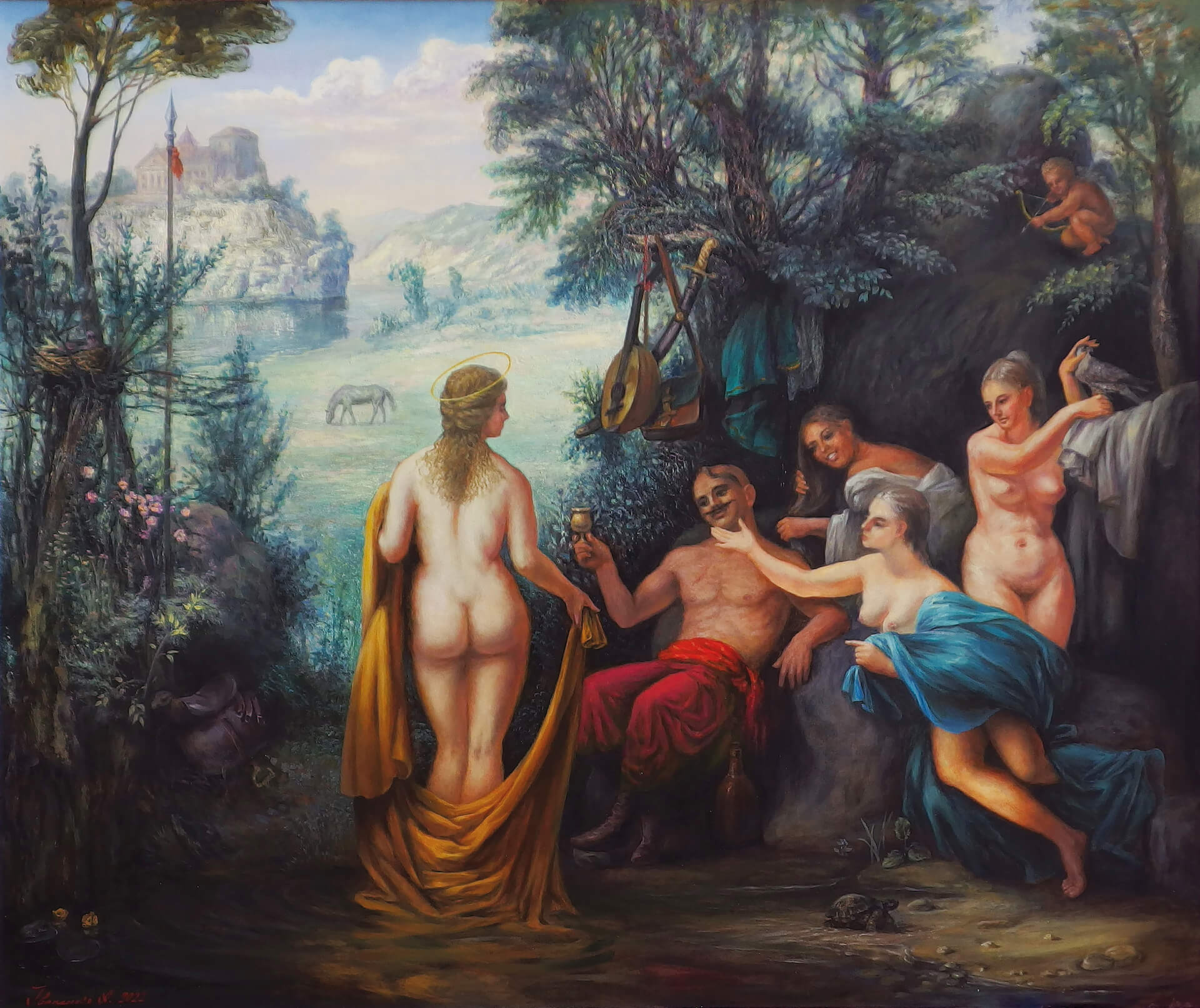
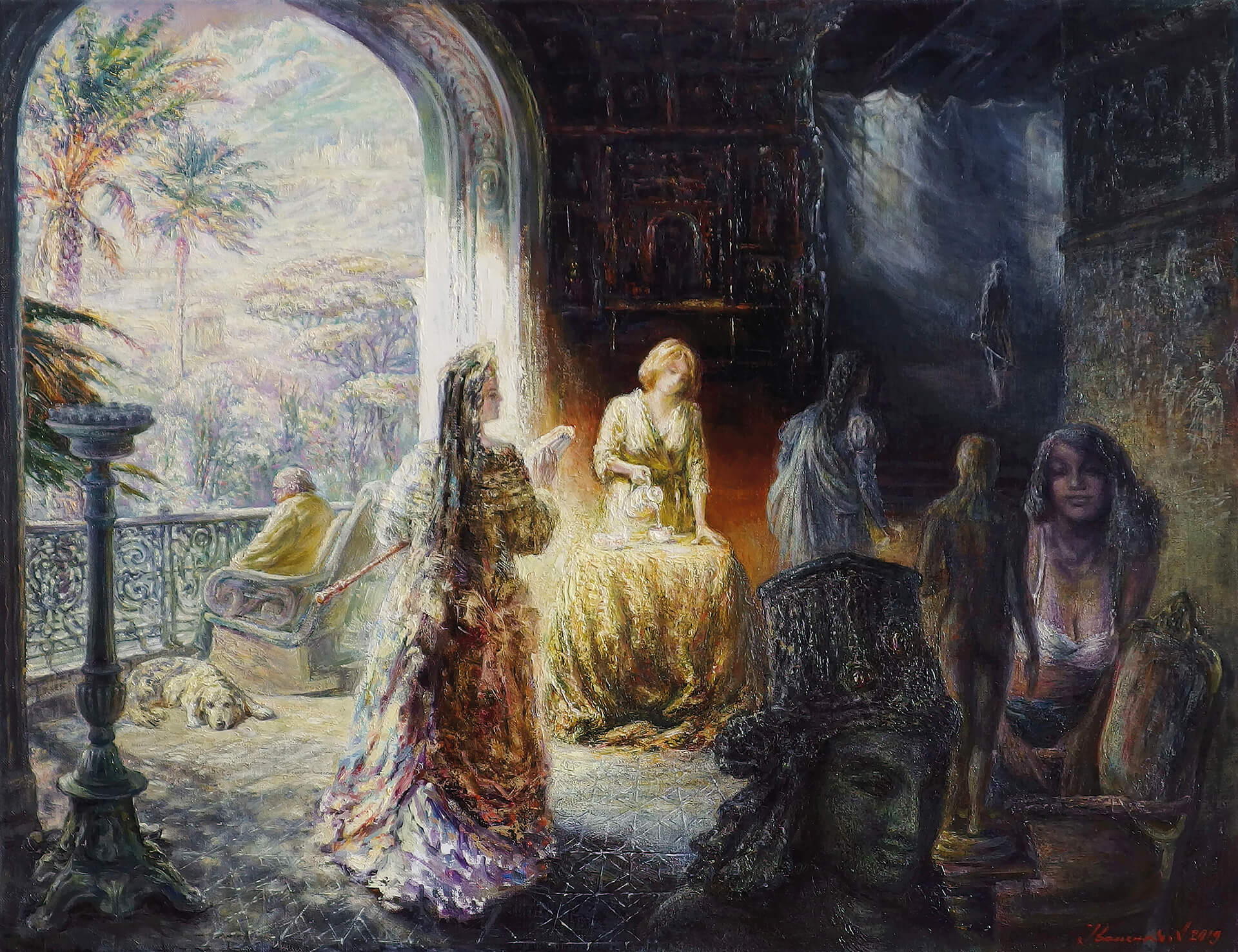
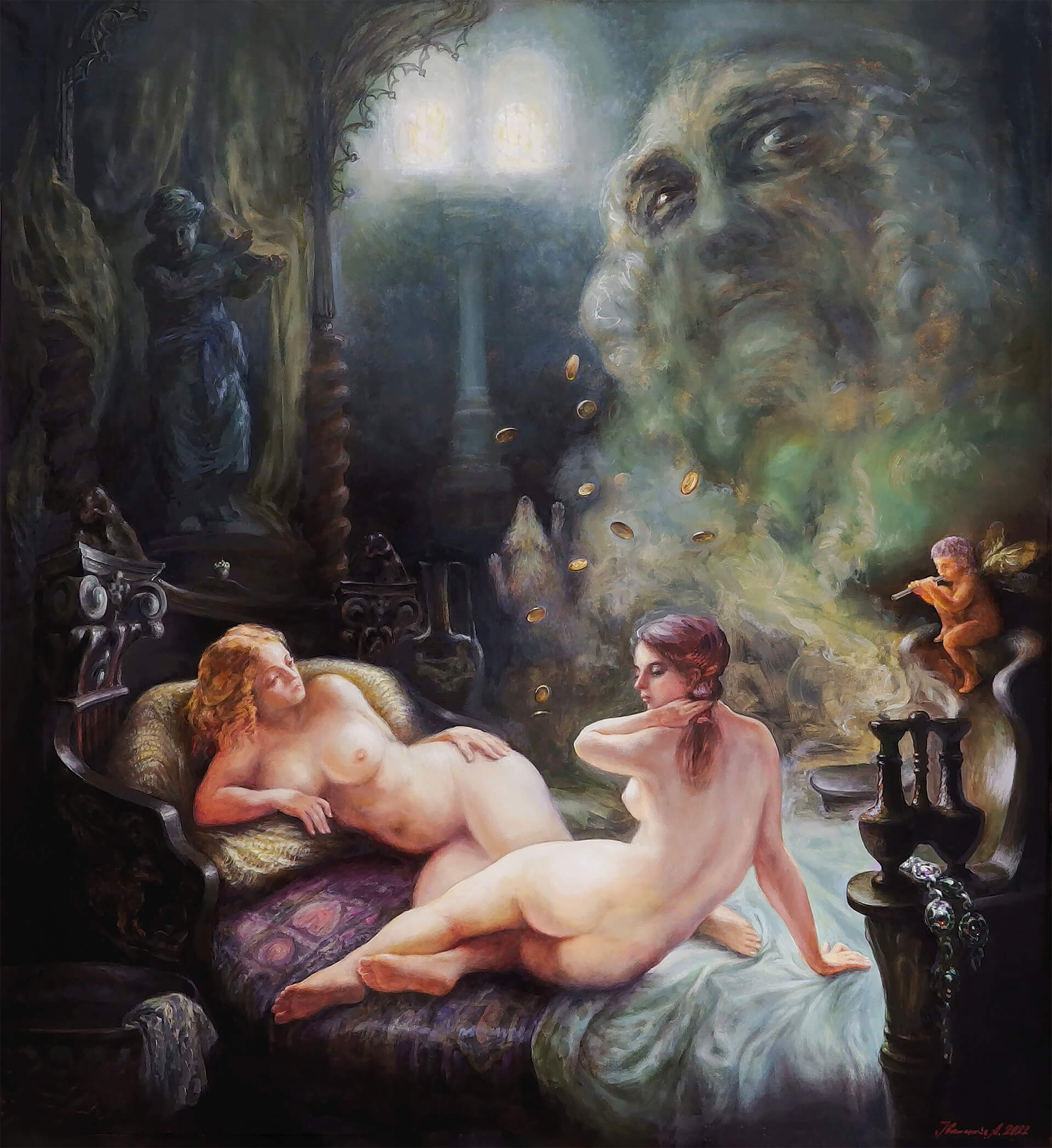
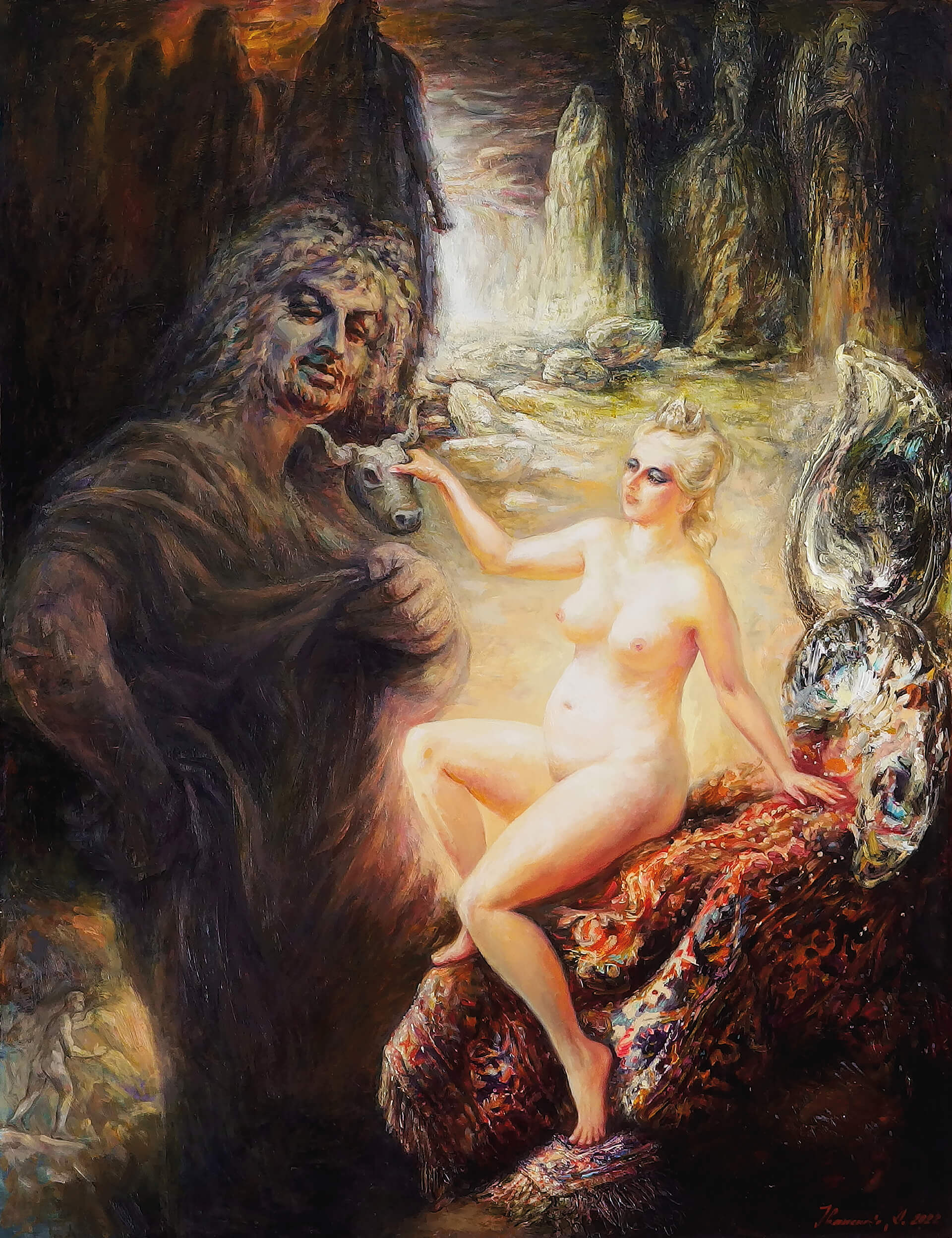
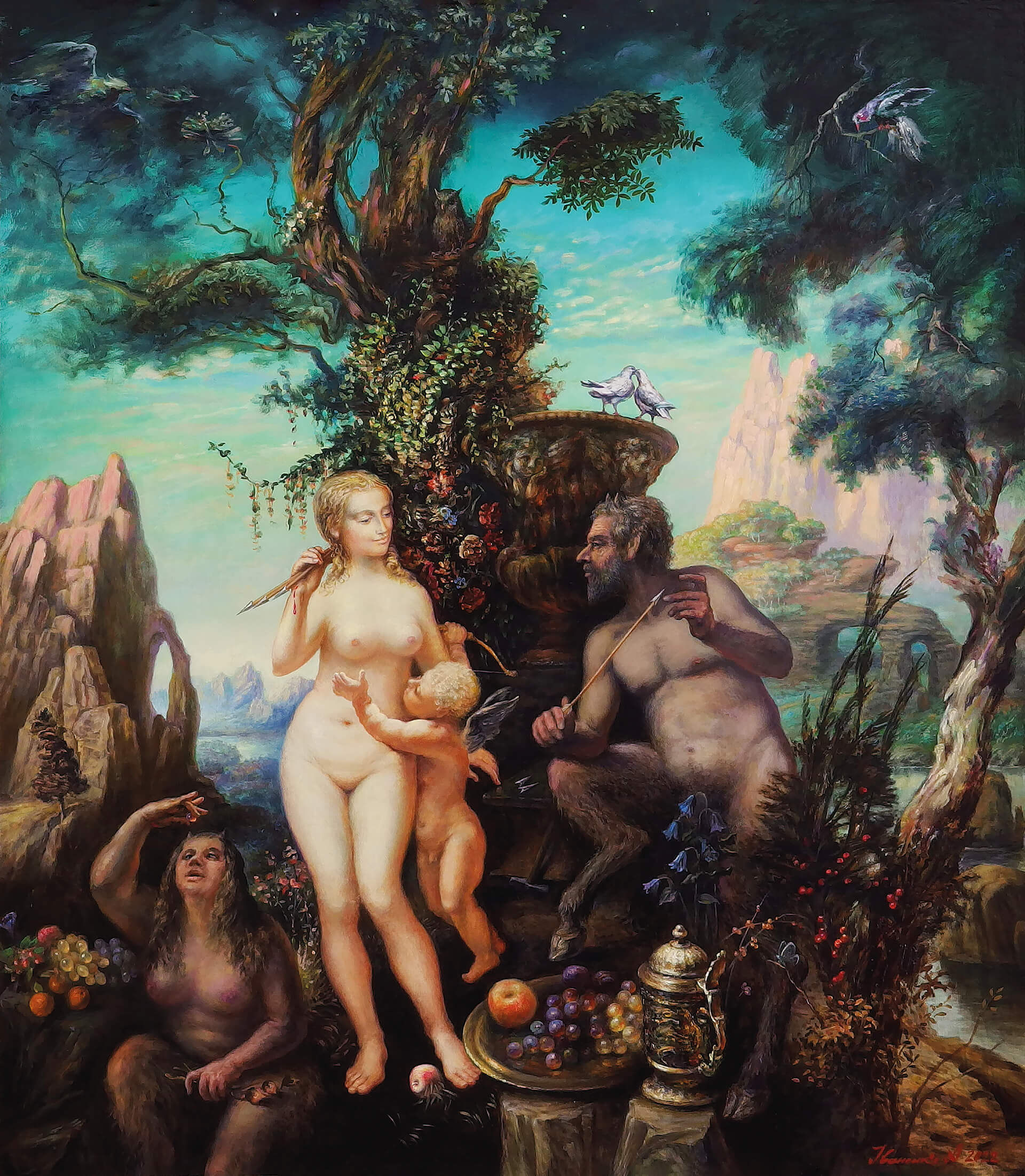
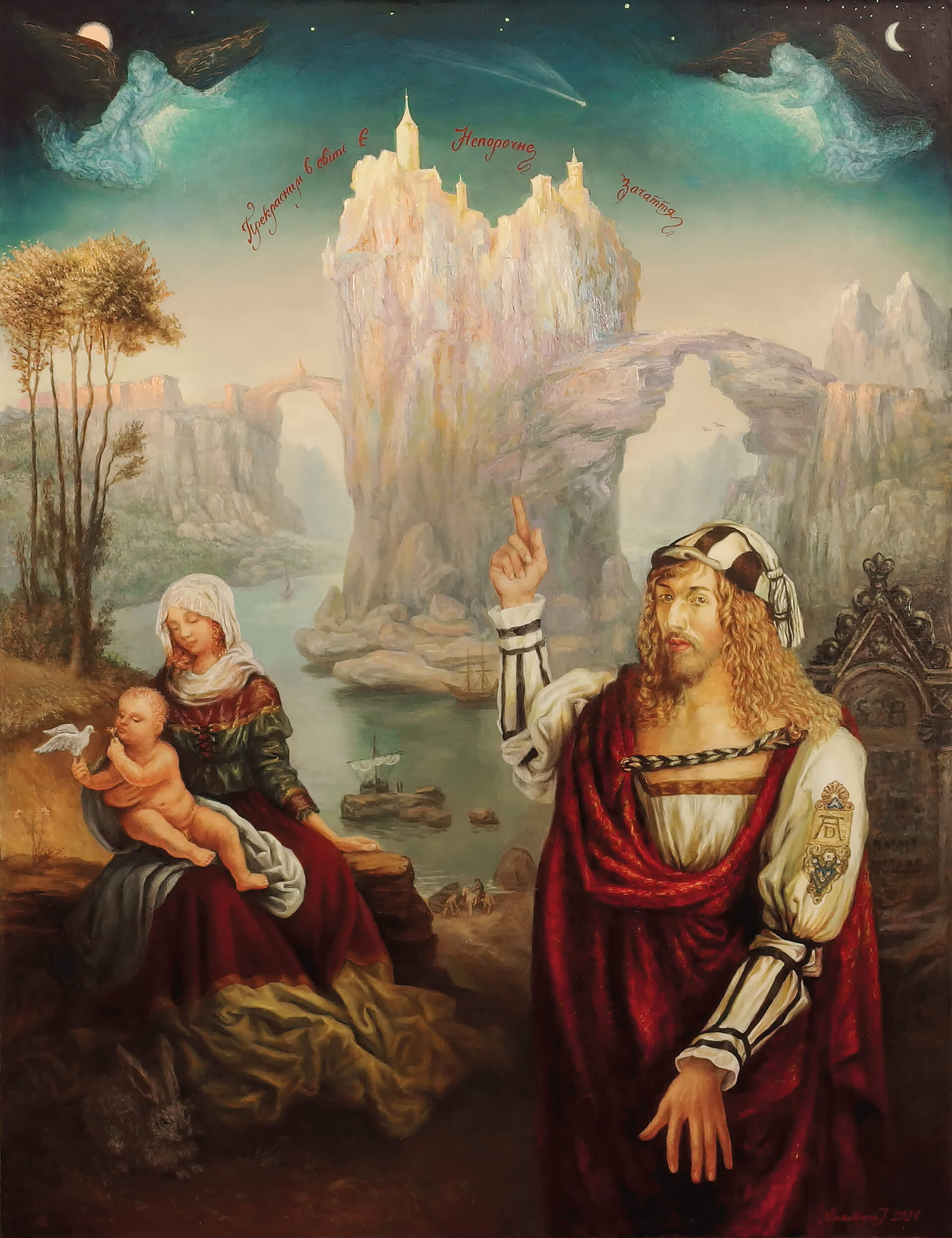
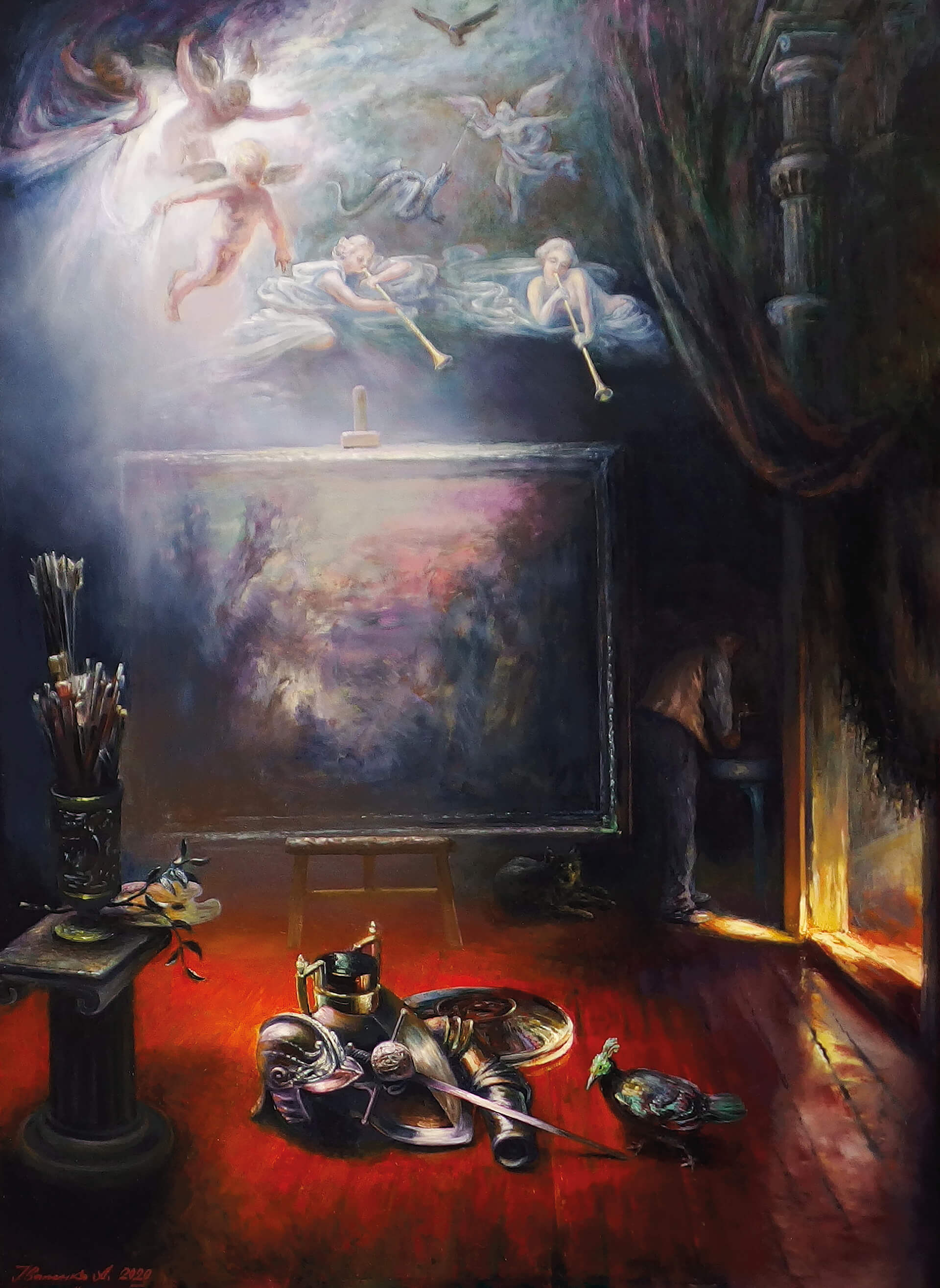
In realistic art, in the easel mounted painting, the dominant element is the discovered, characteristic image. But there has always been, and still is, a need for an imagined image - one that acts as a catalyst for our emotions and insights into what has gone unnoticed yet remains impor-tant, or into what cannot be seen in real life. There exists such a form of expression as allegory, which makes it possible to reveal vital truths while bypassing realism. In other words, about the same things - but differently. In such a painting, the images and attributes, though drawn from the real world, acquire another meaning: they become symbols that allow the artist’s idea to be revealed more deeply and broadly - sometimes on several levels at once. Paintings that combine myths, legends, and allegories make it possible to create vivid, meaningful images. They tell us that in life there are many important things hidden behind appearances, invisible to a quick or superficial glance.
Only a knowledgeable viewer with a rich imagination can connect with such works and understand and take delight in them. It is precisely this tandem that both the artist and the viewer long for.
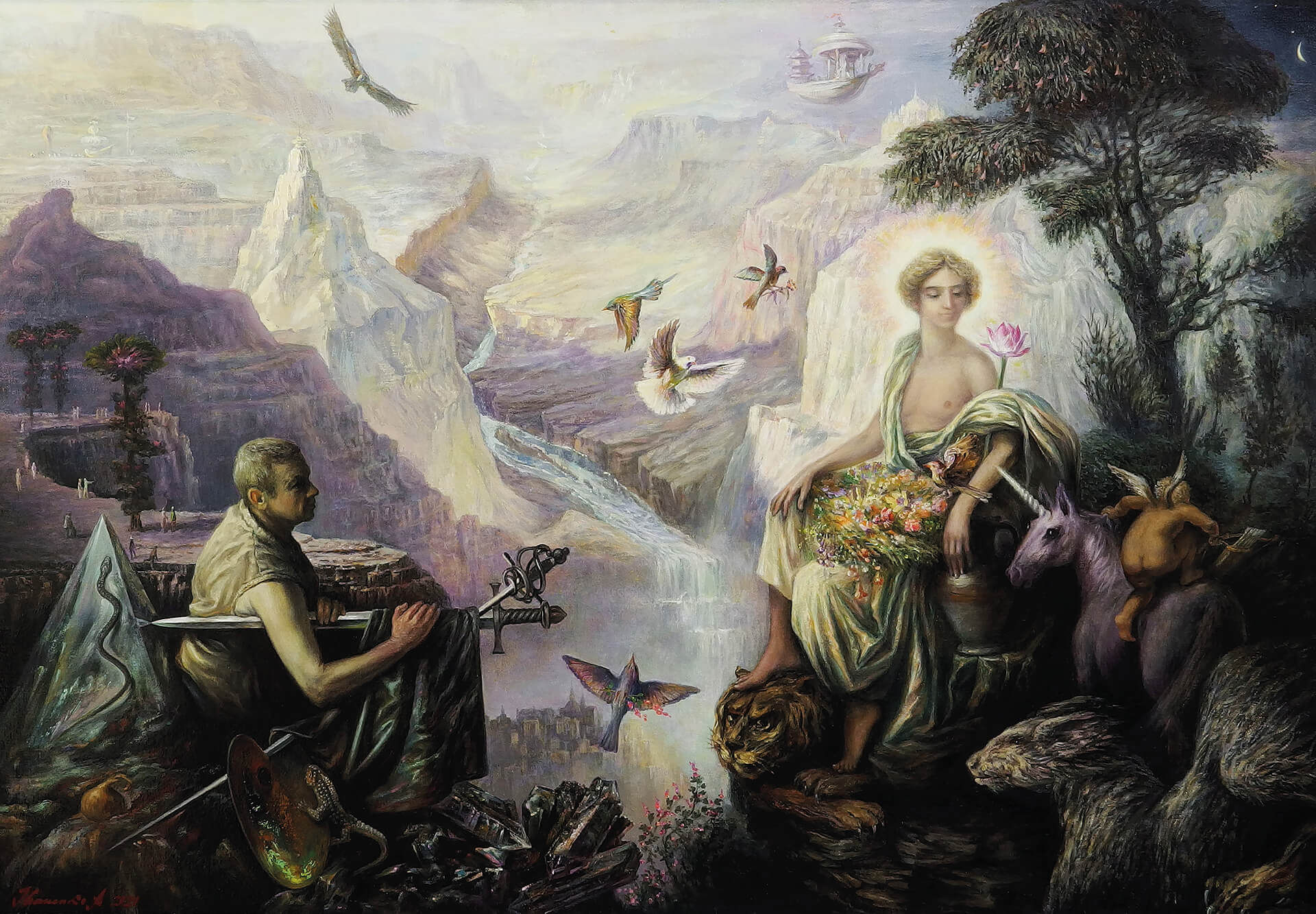
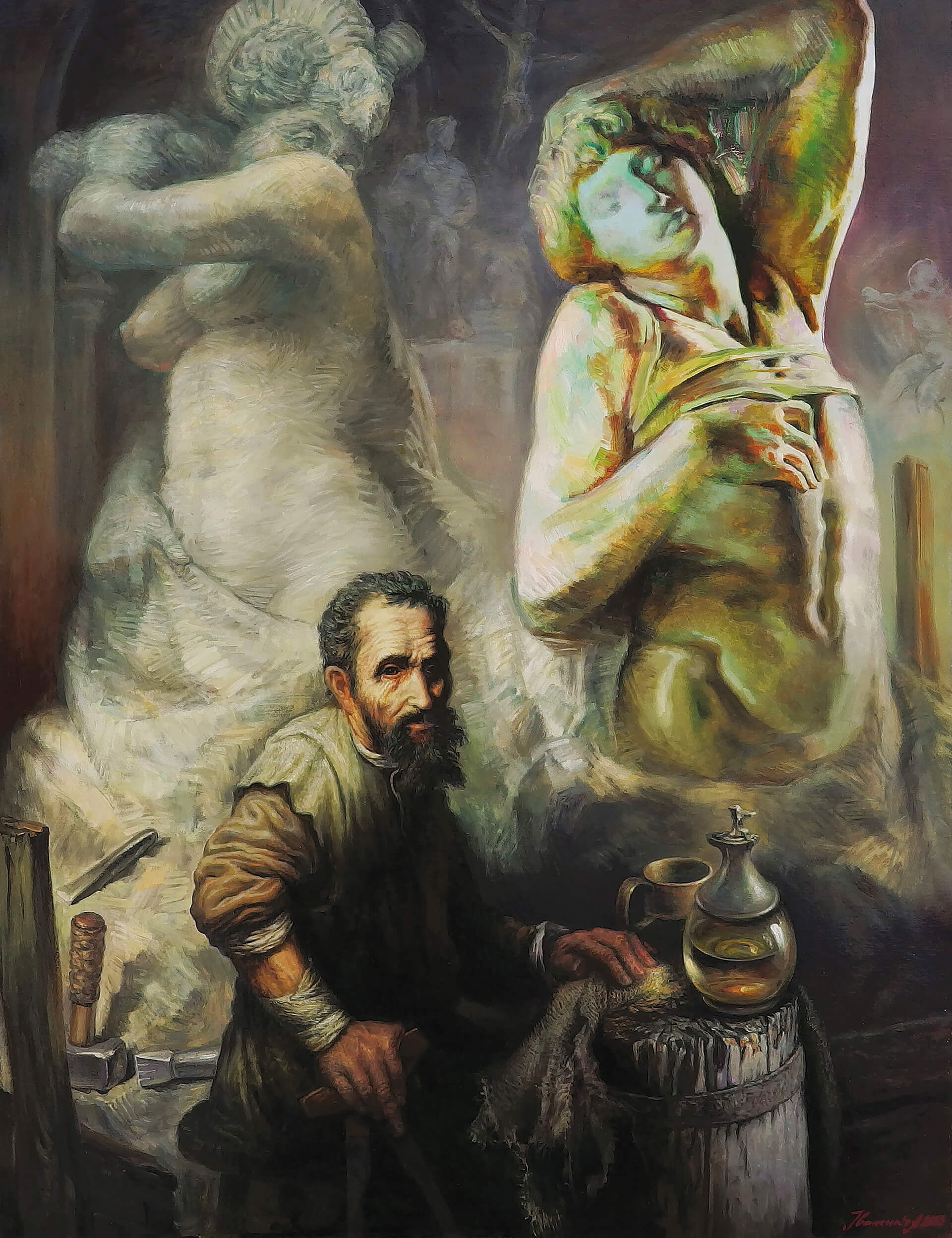
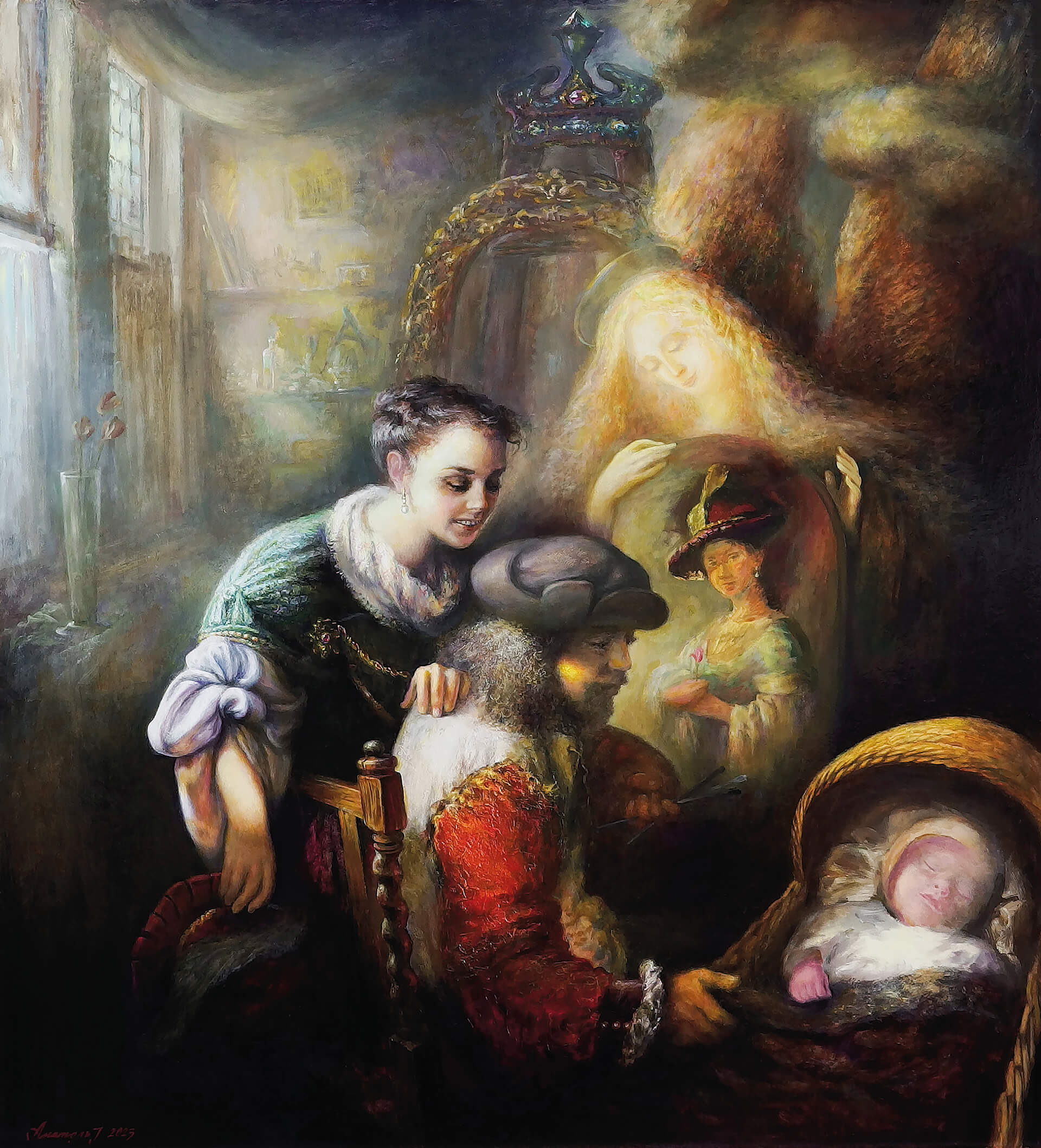
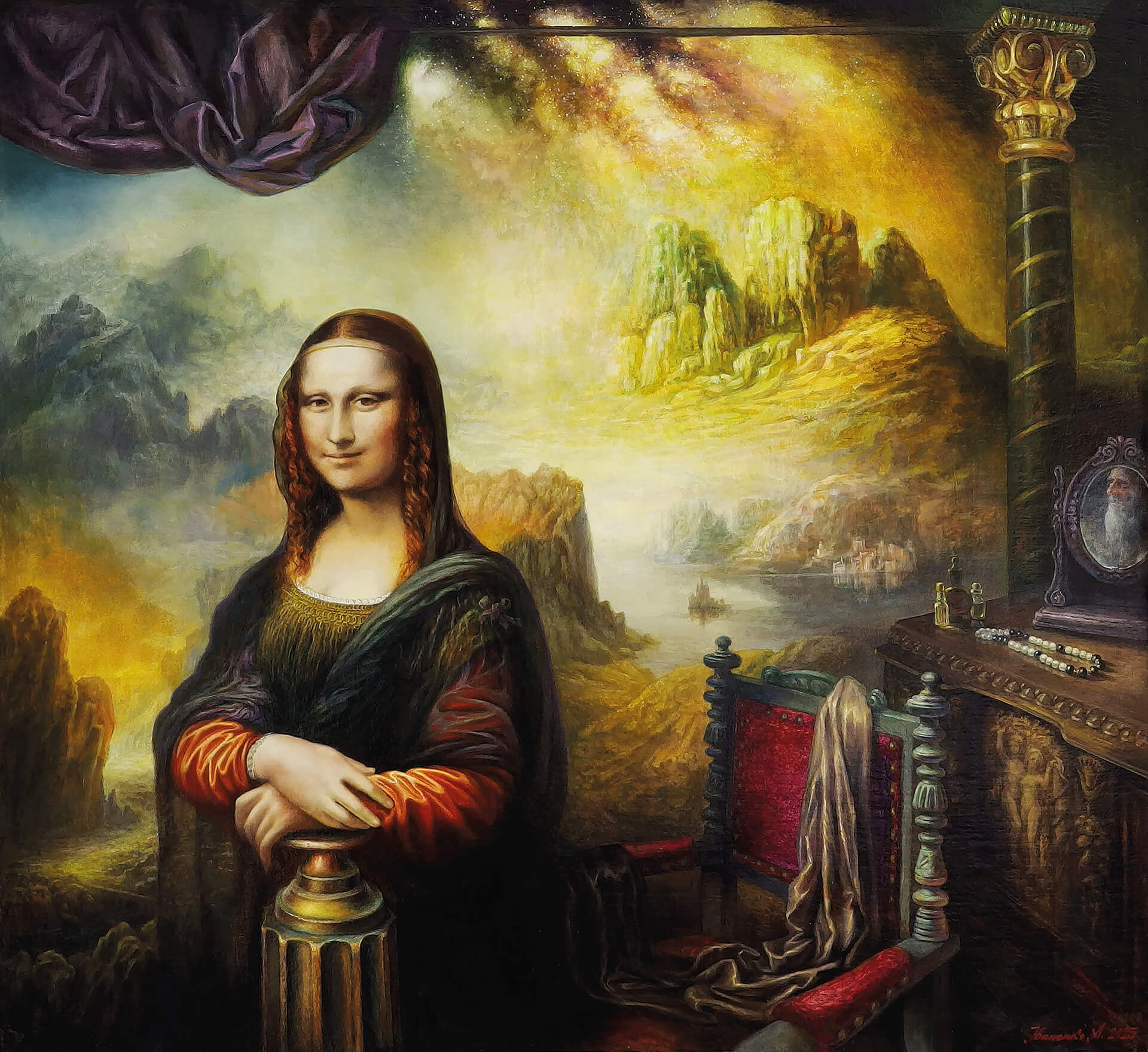
ANATOLII
IVANENKO
Selection of the artist’s oil paintings
on canvas, created between 1990 - 2024.
Pages